
Press Kits That Make a Difference.
Our intention is to make life easier (for the media and the expert). All expert sources using our technology have been verified. Featured press kits are below. If you don’t see what you’re looking for, you can search our database for other press kits as well as experts from our PitchRate community or you can contact us directly to find the perfect source for you.














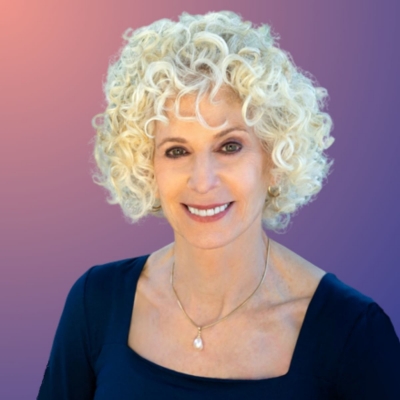

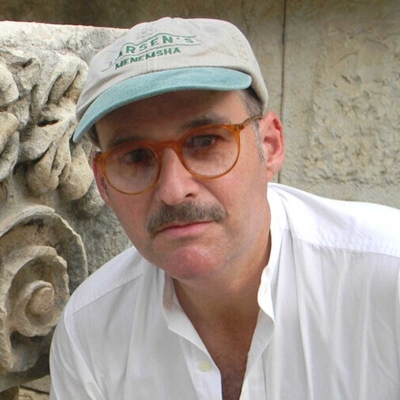
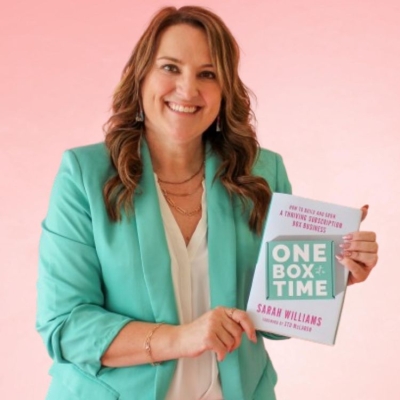
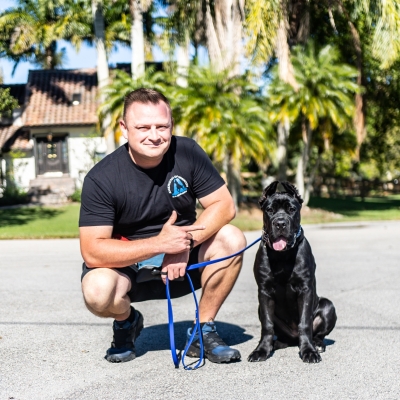
Our Press Kits Deliver More PR Wow, Less Woes.
Whether you’re dealing with Good Morning America, Dr. Phil, Oprah, or your hometown newspaper, if you want them to interview you, you need to be prepared and organized.
You must anticipate what press materials they will ask for before they ask.
Why? Because the media is – and always will be – busy!
From the smallest to the largest outlets, the media is bombarded daily with experts, authors, and business owners clamoring for attention.
Put yourself in their shoes; they’re human beings looking for ways to make their jobs and lives easier. When you think like a journalist, it’s clear why you’d want an online press kit. Everything they need is strategically organized. There’s no need to go back and forth with an expert and wait to complete an article.
Want to put your best foot forward AND save your valuable time? Let’s chat.

Press Kits That Communicate YOU. Clearly.
We’ve seen it time and time again: Clear communication makes the biggest difference in the success of any PR campaign. You’re unique — you know that — but you need to make sure you communicate your uniqueness clearly to the media. We provide that clarity.
Want clarity? Click on the button below to complete a quick form so we can learn about you. You can then sign up for a FREE 30-minute call with us.
Clarity makes all the difference.
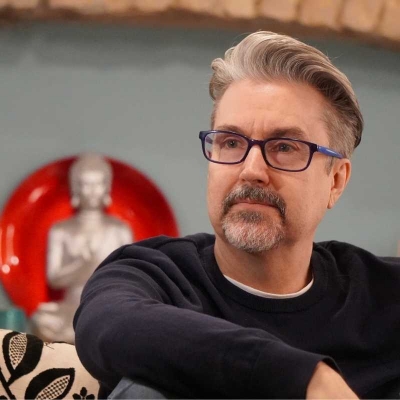
While we’ve taken hundreds of clients through our branding process, my favorite example is Don Goewey. Don had worked with another PR company for a year before he landed on our doorstep. In that year, they hadn’t scored him a single placement. Nada, nil, nothing.
We were baffled, because it seemed obvious to us that Don was an expert with a powerful understanding of neuroplasticity and a message that could change lives – yet they hadn’t landed him anything. Michelle took Don through our process and it became very clear what was a miss. The other PR firm had been pitching Don to the media as a stress expert, which is fine, but here’s the issue: stress experts are a dime a dozen, and that catch-all term lacked the specificity required to tell Don’s whole story.
Don’s passion – what his work actually focused on – was eliminating stress. He was a stress-elimination expert!
Now, I know what you’re thinking… what’s the big deal? It was a HUGE deal; adding one word made all the difference. When we tweaked Don’s message, we landed him a ton of media placements, including 102.1 KDFC San Francisco – which drove over 10,000 visitors to Don’s website that morning, landed him a full-page spread in Outside magazine, and turned him into a best-seller.

Our Case Study
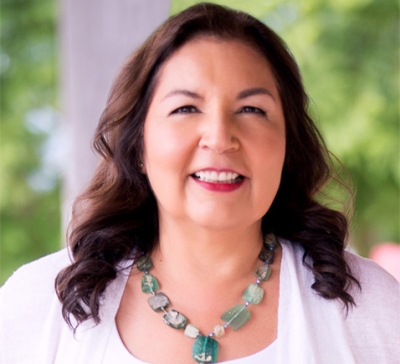
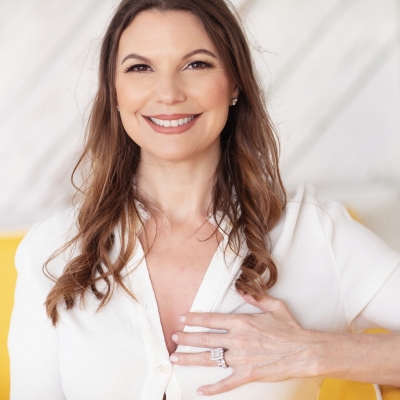
Opportunity: U.S. News & World Report was looking for tips on conservative ways to lock away wealth for the future.
Solution: The media have their own timetable for when they need experts. In order to help Pamela Yellen be a top-of-mind, go-to resource for reporters and journalists, the Wasabi Publicity team crafted a professional online press kit so she would be media ready whenever the right opportunity arose. PDF press kits work sometimes but they have major weaknesses, including not easily allowing media to grab text and images, which forces them to call and email to chase down the materials they need.
Having an online press kit paid off for Pamela when a US News & World Report journalist contacted Wasabi Publicity looking for a financial expert to provide tips for an article due within just a few days. Wasabi Publicity had all of Pamela’s materials on hand to provide the journalist with exactly what she needed—fast—scoring Pamela a major media placement.
Result: Placement in US News & World Report
Summary: Online Press Kit + Timely Response = Major Media Placement
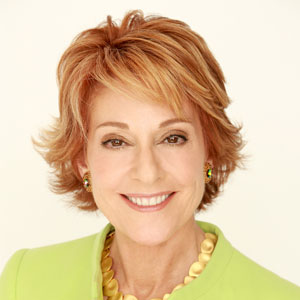 Case Study: Financial Security Expert and Author, Pamela Yellen,
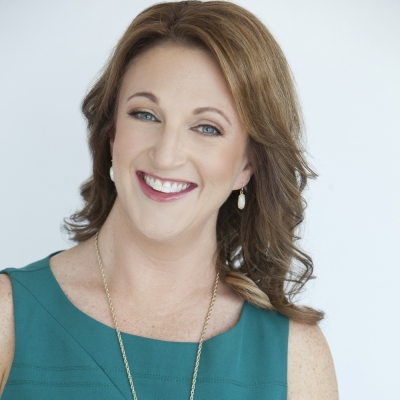
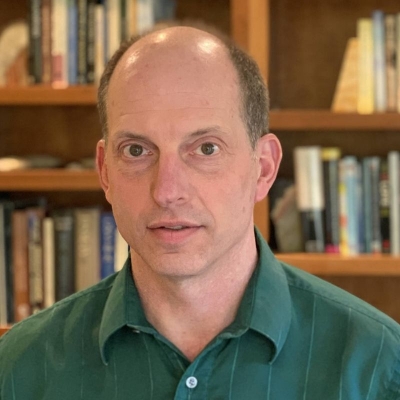
 Opportunity: Reader’s Digest requested a credentialed psychologist or medical doctor/specialist to explain the mental health benefits of “true forgiveness” and recommend ways to make this very difficult process easier.
Solution: Wasabi Publicity built a strong online press kit for Dr. Brad, turning his extensive materials into an engaging and highly functional resource for the media. Having all that the media needs in one place the moment they need an expert is half the battle. From there, our publicists keep their fingers on the pulse of incoming media requests so we can respond at a moment’s notice to provide our experts as just the right resource at just the right time.
That’s what happened here for Dr. Brad. We received an incoming lead from Reader’s Digest and had all the materials at the ready to pitch Dr. Bradley Nelson as the ideal expert for their upcoming story. We translated his expertise into relevant, audience-friendly tips that were just the right fit for the venue and secured the placement.
Result: Placement in Reader’s Digest
Summary: Online Press Kit + Timely, Tip-Oriented Pitch = Perfect Media Match
 Case Study: Holistic Physician and Author, Dr. Bradley Nelson,
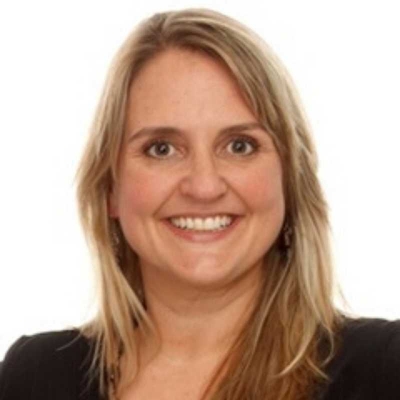
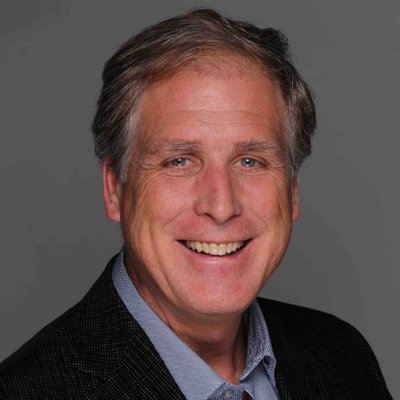
 Opportunity: Fast Company was looking for a workplace expert to share habits or beliefs that hold you back at work.
Solution: Sometimes a ready-to-use quote from a trusted expert is all the media needs to fill an immediate need. That was the case with an incoming request from a journalist working on an article for Fast Company. Wasabi Publicity created a strong online press kit for Anne Grady, including housing a wealth of Anne’s materials on the internal client-and-team-only press kit server so that all her resources were on hand to respond to media requests.
Wasabi had digital copies of Anne’s books at the ready and we provided a relevant quote in response to the journalist’s request the moment she needed it, scoring Anne a powerful placement in Fast Company.
Result: Placement in Fast Company
Summary: Ready-to-Use Quote + Timely Response = Major Media Placement
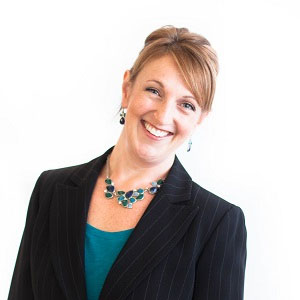 Case Study: Communication/Leadership Consultant and Author, Anne Grady,
 What Clients Say
“I have worked with many publicists, but it’s rare to meet a publicist like Michelle Tennant who has in-depth knowledge of her clients and can articulate their strengths. And her client press kits are the best I’ve ever seen.”
 Ken D. Foster, Host of Voices of Courage Radio Show
“For more than a decade I’ve been an editor for Harvard Business Review and I’ve been impressed by Wasabi Publicity’s clear, to-the-point messages about their clients.”
 Andy O’Connell, Contributing Editor at Harvard Business Review
“Wasabi has a unique expertise that combines media relations and technology. Not only do they know how to develop your message and your campaign, but they know how to best get your story out there.”
 Kate Walling, President of Secret Ingredients™
“I was so impressed with the online press kit Wasabi Publicity assembled for our author. Your team created it fast (and well). I’ve worked with a myriad of publicists and have seen a lot so I consider this as just plain inspiring and outstanding!”
 Kim Weiss, Director of Communications at HCI Books
“I’m amazed at how organized you are! I’ve been doing radio interviews for 24 years now and you are one of the top ten publicists who have their act together. I hope to work with you more in the future. Your professionalism is rare these days!”
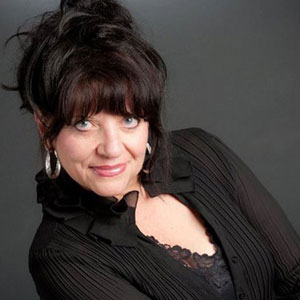 Linda Strasburg, Host of InterViews & InterActions on K-Talk Radio Utah
“I can’t believe how awesome your client list is! They are great guests. What a pleasure it is to be working with you; so excited to have discovered you.”
 Frankie Boyer, Award-winning Host of The Frankie Boyer Show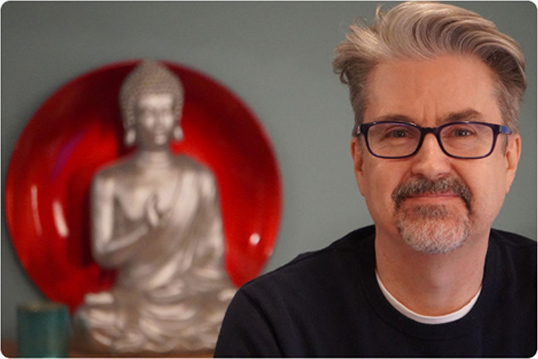
Want to Change the World Together?
If you’re committed to making a difference and being a go-to resource for the media, let’s hop on the phone to see what sparks and how an online press kit can support you.
Please click on the button below to fill out a quick form so that we can learn about you. You can then sign up for a free 30-minute call with us.